Food is an essential part of travelling through Serbia. Serbian cuisine reflects the country’s position at the crossroads of the Balkans and Central Europe, combining grilled meats, slow-cooked dishes, fresh vegetables, cheeses, pastries and rich desserts.
Traditional Serbian Food
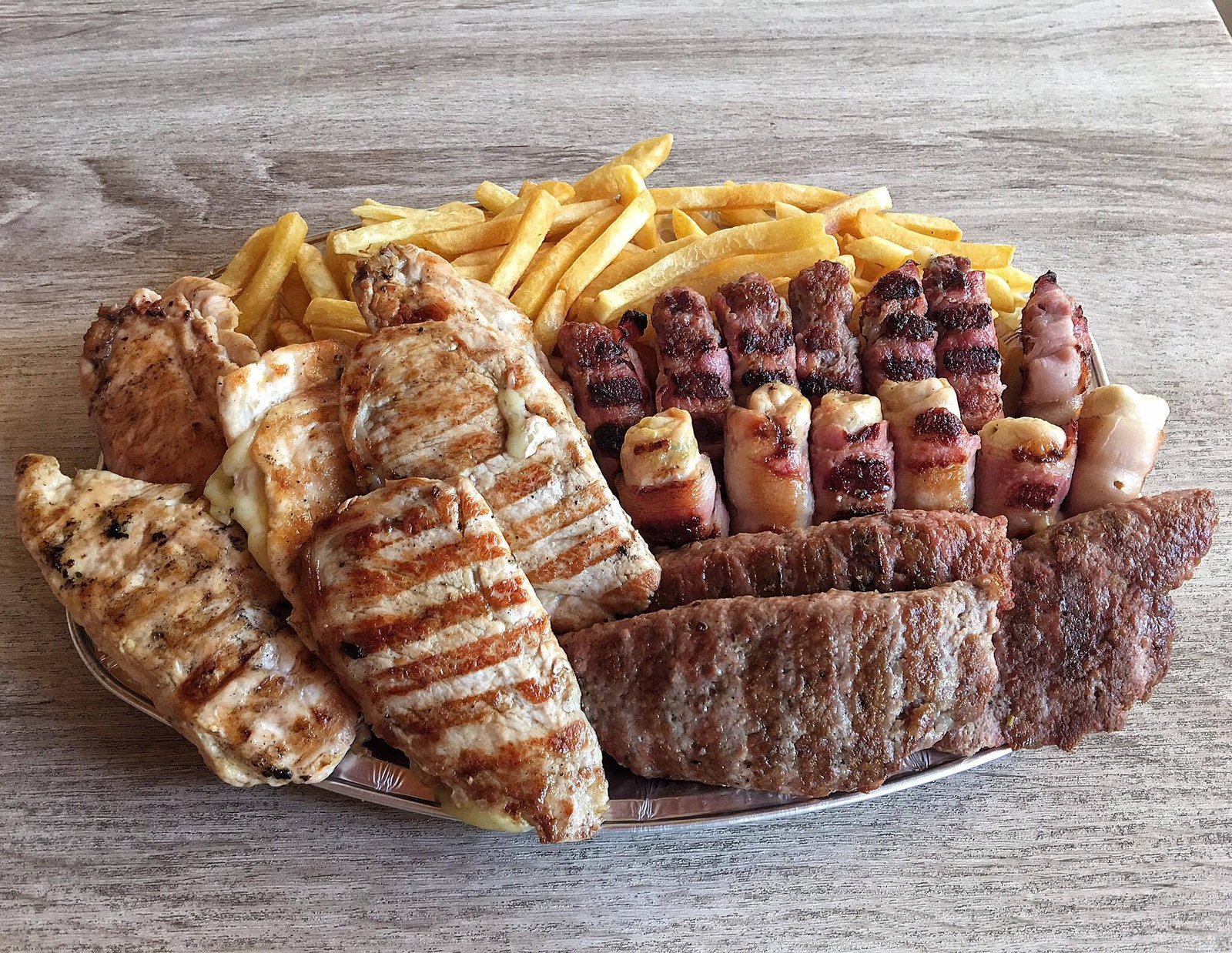
Among the best-known dishes are ćevapi, small grilled rolls of seasoned minced meat, and pljeskavica, a large grilled meat patty often served with onions, kajmak or fresh salad. Another classic is Karađorđeva šnicla, a rolled and breaded meat dish traditionally filled with kajmak.
Visitors should also look for sarma, cabbage leaves filled with meat and rice; prebranac, baked beans with onions and paprika; gibanica, a layered cheese pastry; and the many regional soups, stews and roasted dishes found throughout the country. Bakeries are part of everyday life, with burek and other savoury pastries making a popular breakfast or quick meal.
Rakija – Serbia’s Traditional Spirit
Rakija is Serbia’s best-known traditional spirit and an important part of hospitality and celebration. It is distilled from fruit, most commonly plums, producing šljivovica. Other popular varieties are made from grapes, quince, apricots and pears, while some recipes use honey, herbs or walnuts.
Rakija is usually served in small glasses and enjoyed slowly, often alongside food. Homemade versions are common, particularly in rural areas where families may have recipes and distilling traditions passed down through generations.
A Taste of Serbia
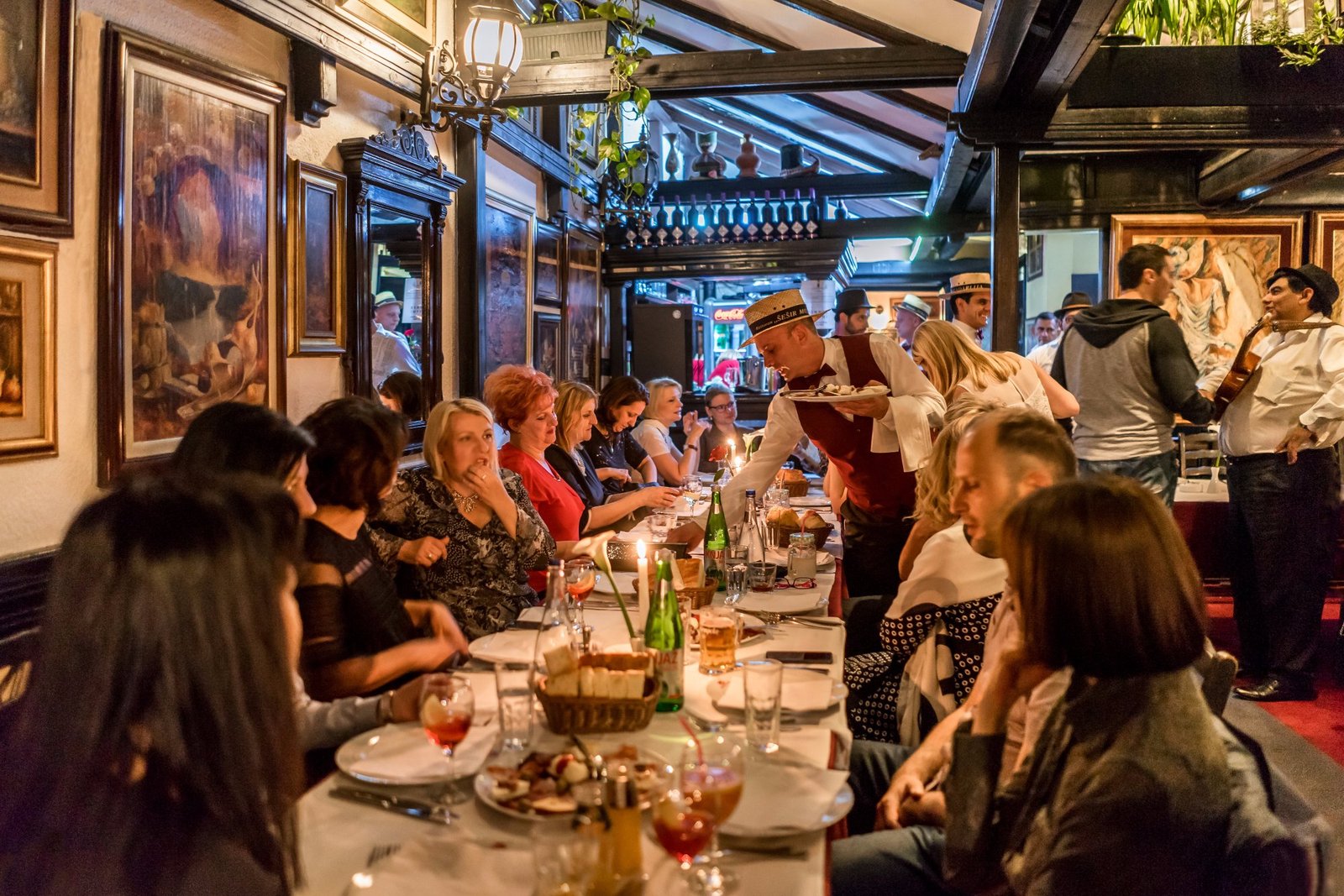
The best way to understand Serbian cuisine is to try it in different settings: a traditional kafana, a modern city restaurant, a local market or a family-run countryside household. Regional ingredients and recipes vary, so travelling through Serbia also means discovering new flavours from one destination to the next.