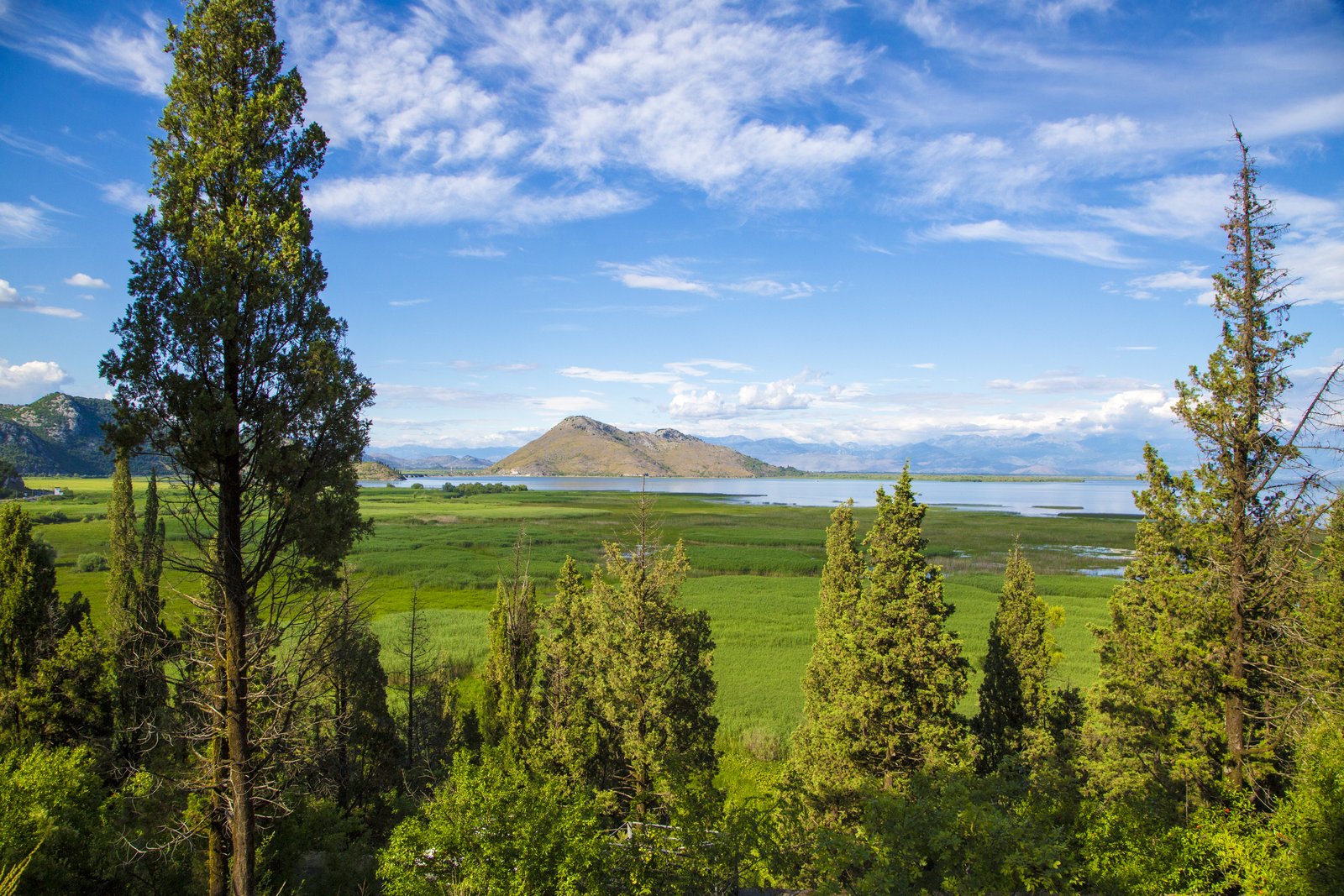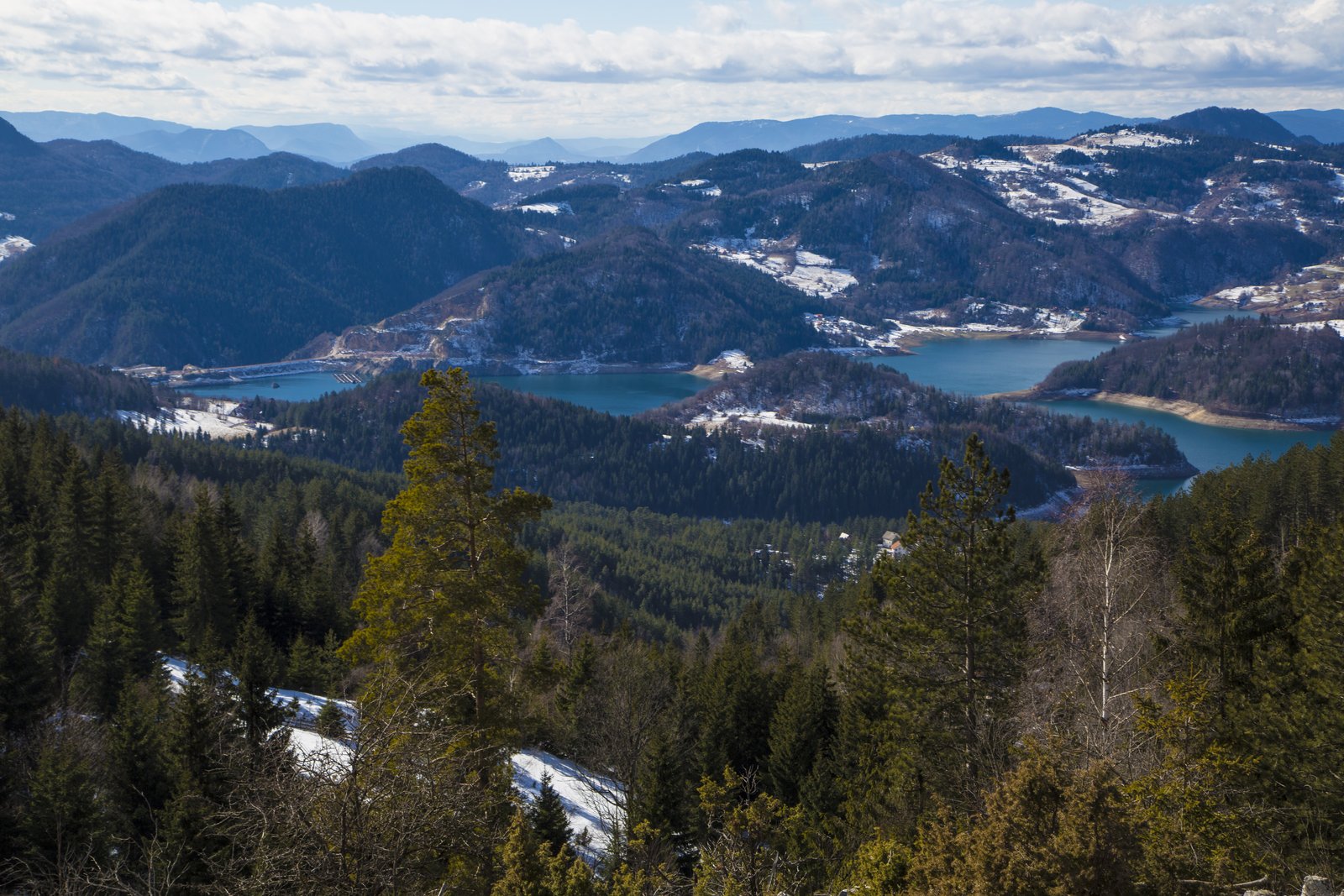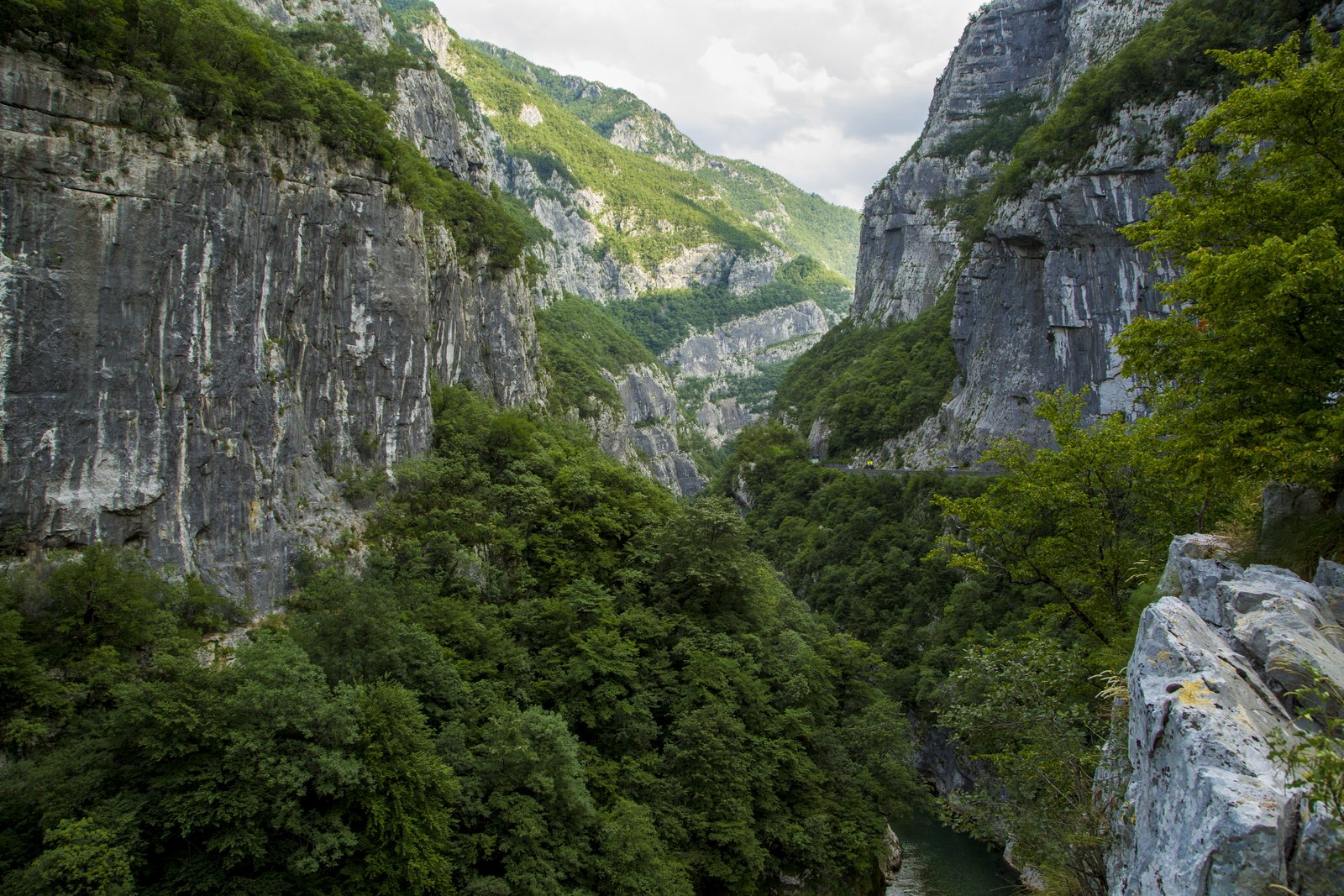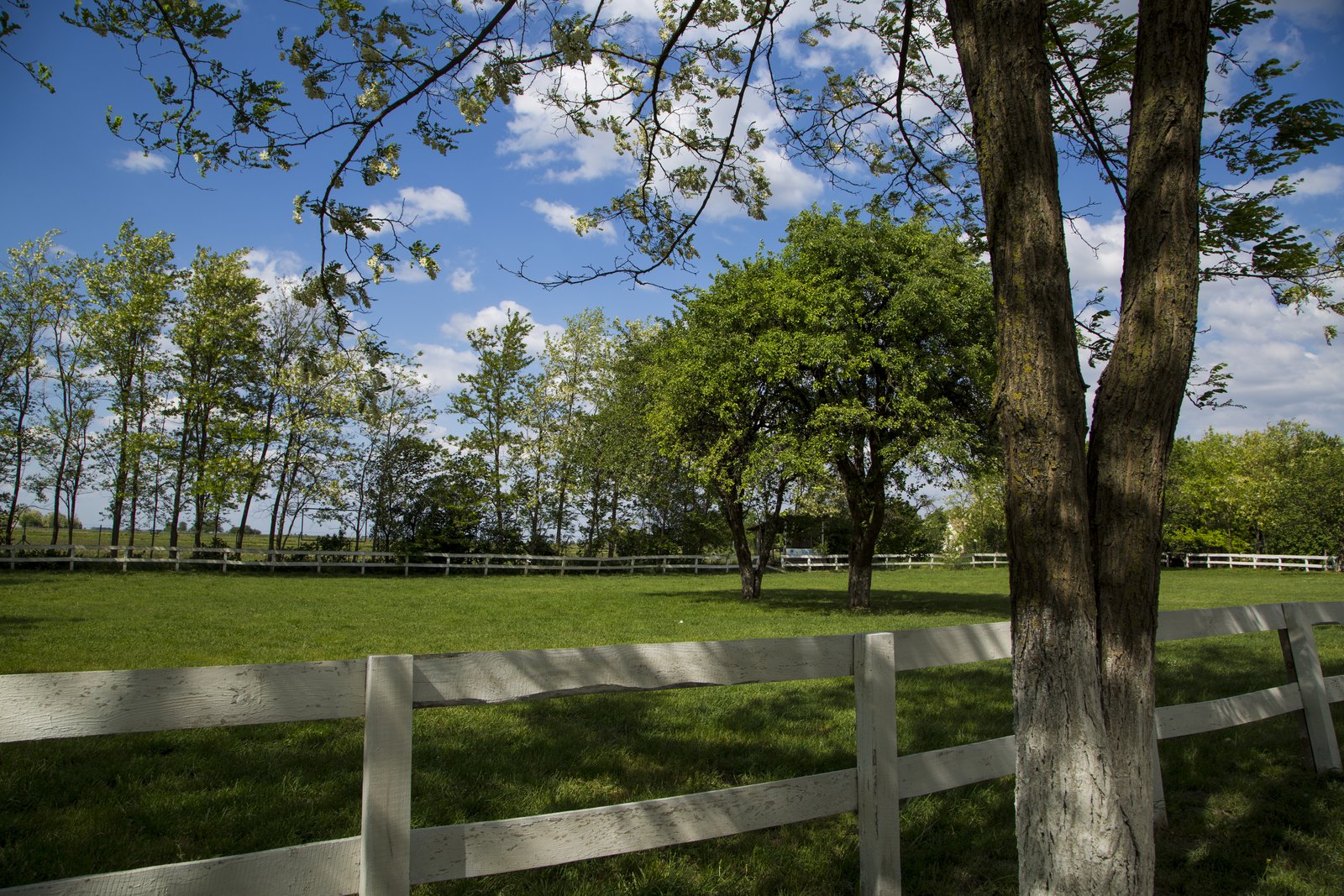
Serbia’s regions offer very different landscapes, traditions and travel experiences. From the flat plains of Vojvodina to the mountains and river valleys of western and southern Serbia, travelling between regions can feel like discovering several countries within one journey.
Vojvodina and Northern Serbia
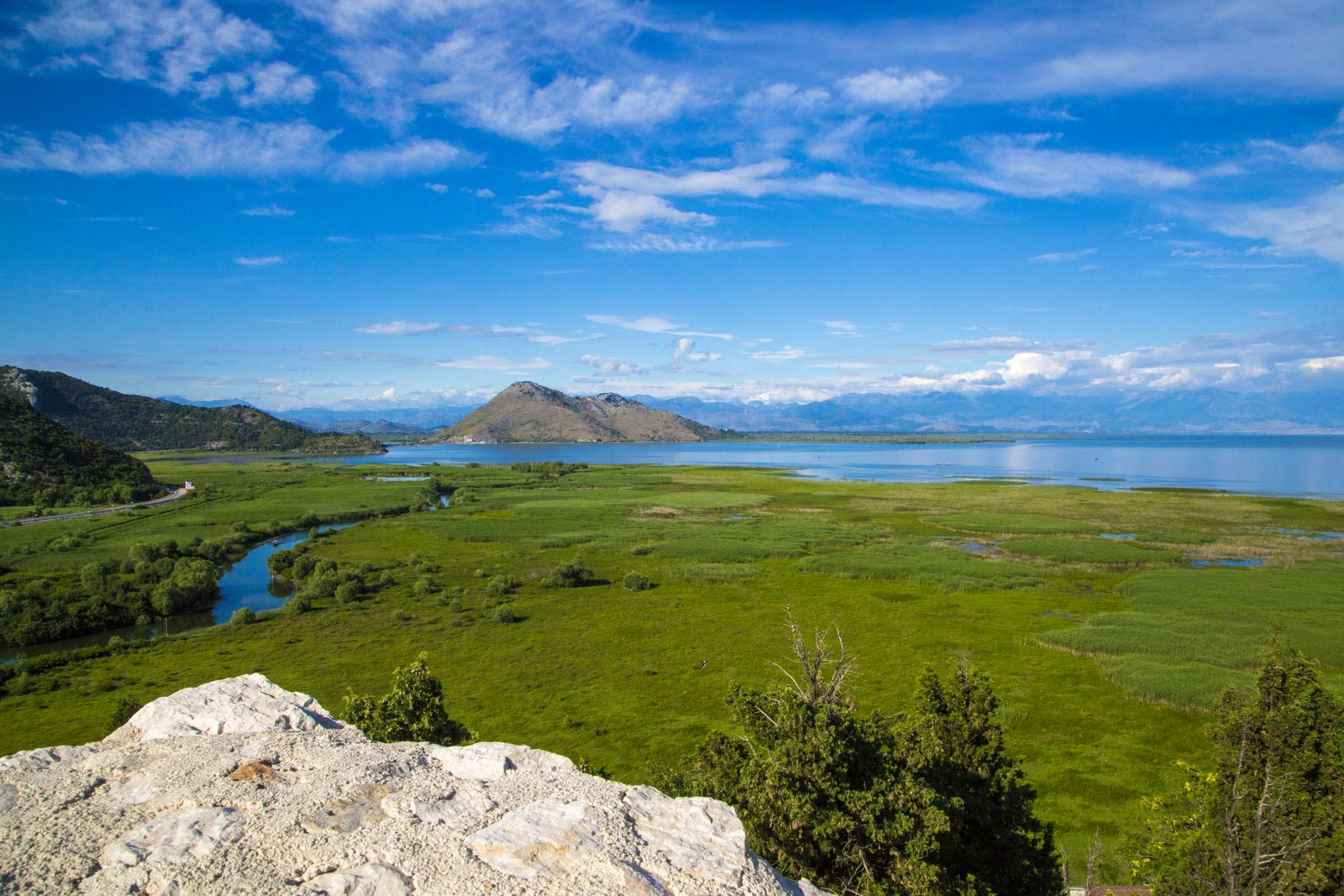
Northern Serbia is shaped by the Pannonian Plain, the Danube and Tisa rivers, multicultural towns and a strong Central European architectural influence. Novi Sad, Subotica and Sombor are among its best-known urban destinations, while Fruška Gora combines monasteries, vineyards, forests and walking routes. Traditional farmsteads and local food are an important part of the region’s identity.
Central Serbia
Central Serbia combines fertile valleys, historic towns, spas, monasteries and low mountain ranges. The Šumadija region is closely connected with modern Serbian history, while Oplenac, Topola and numerous monasteries preserve important cultural heritage. Festivals and village traditions remain an important part of local life.
Western Serbia
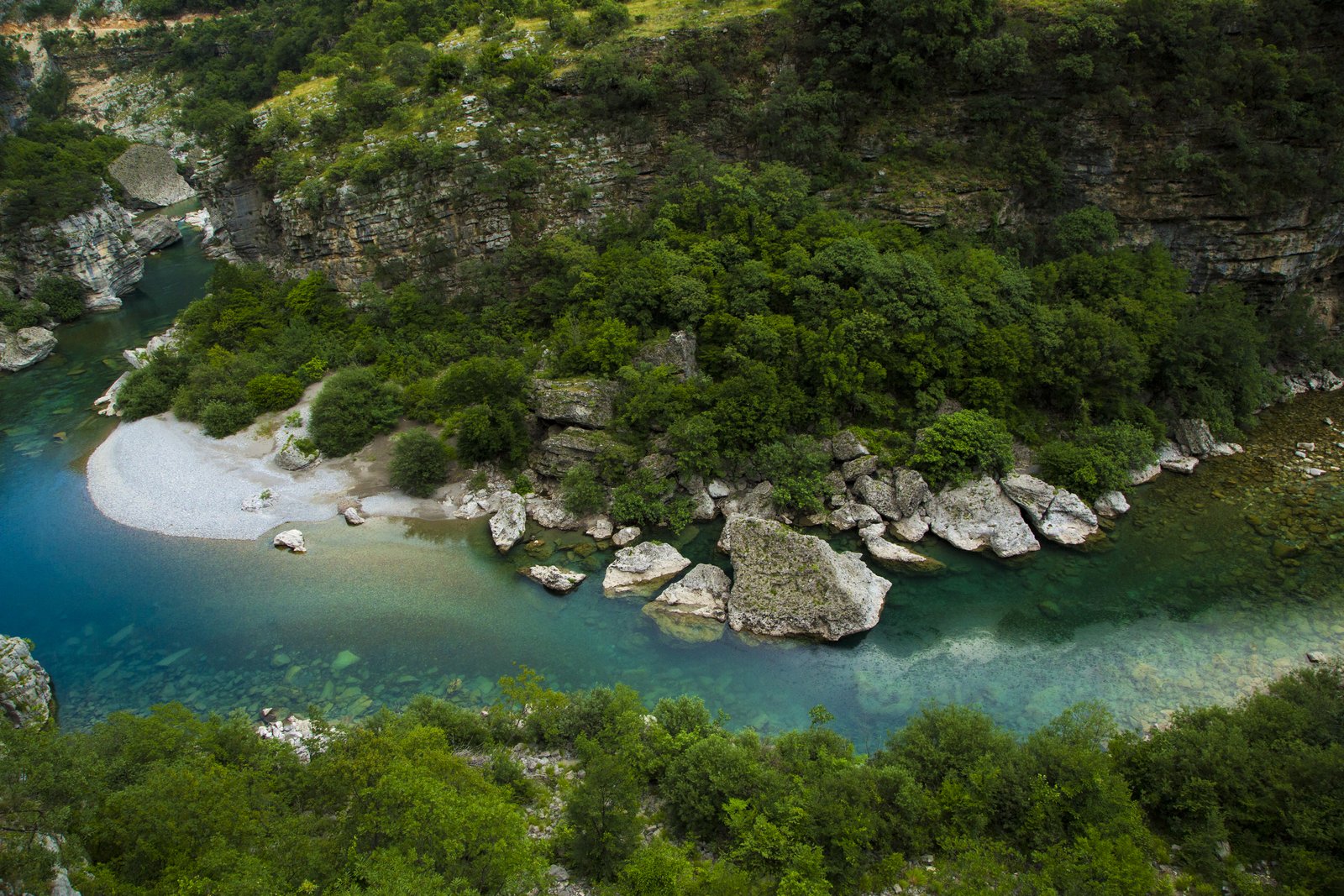
Western Serbia is known for dramatic nature and rural tourism. Tara, Zlatibor and Zlatar offer mountain scenery and outdoor activities, while the Drina and Uvac provide some of the country’s most memorable river and canyon landscapes. Sirogojno, Mokra Gora and the Šargan Eight railway add traditional architecture and heritage experiences.
Eastern and Southern Serbia
Eastern Serbia is dominated by the Danube at Đerdap, the Carpathian and Balkan mountain landscapes, caves and archaeological sites. Southern Serbia combines mountain scenery, spas, Ottoman and Roman heritage and the energetic city of Niš. Archaeological sites and historic monasteries add further reasons to explore beyond the main cities.
Each region has its own character, but local hospitality, food and a close connection between culture and landscape are recurring themes throughout Serbia.