Activities
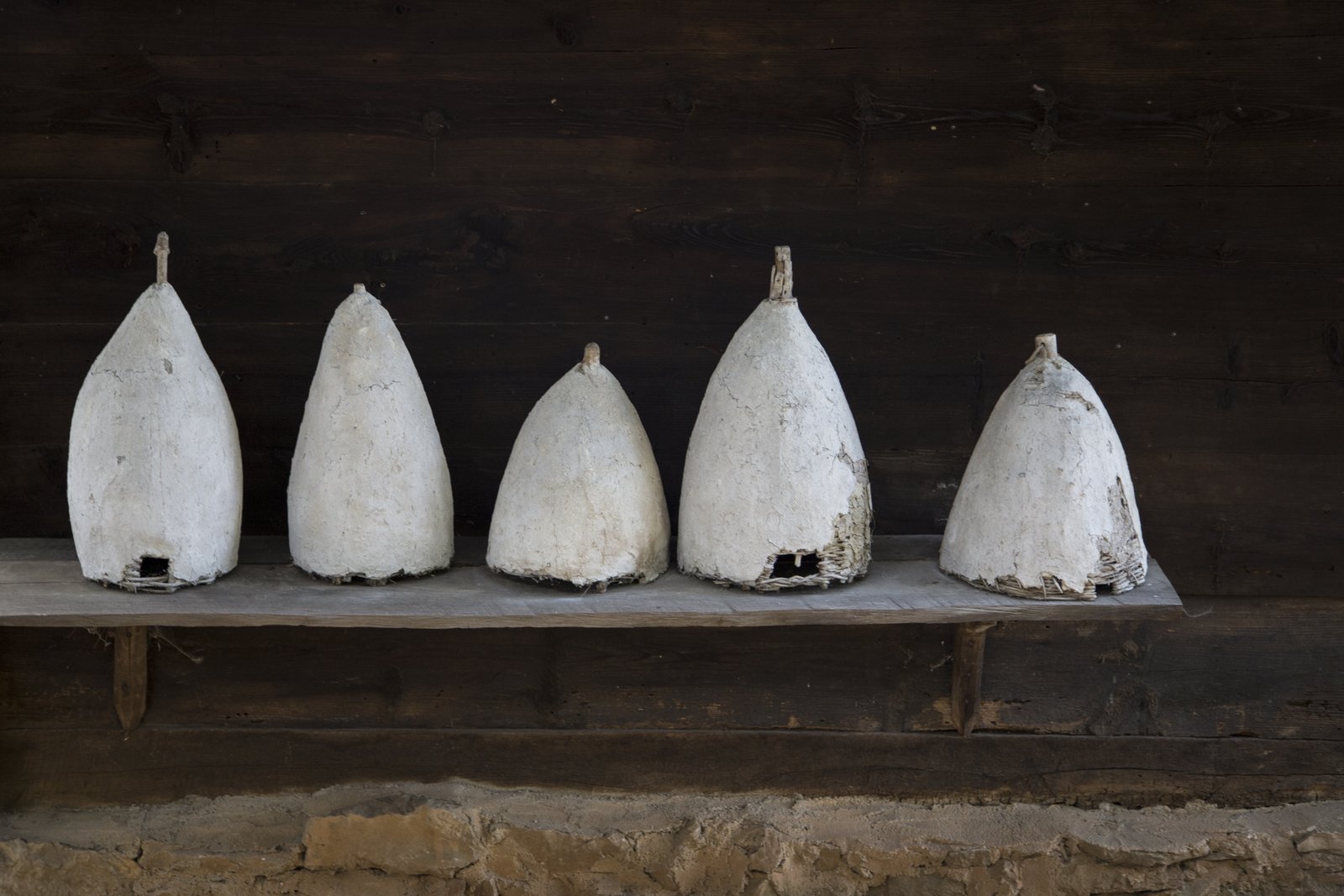
On the slopes of Zlatibor in western Serbia, the Old Village Open-Air Museum in Sirogojno preserves the architecture and everyday life of the region’s traditional

On the slopes of Zlatibor in western Serbia, the Old Village Open-Air Museum in Sirogojno preserves the architecture and everyday life of the region’s traditional
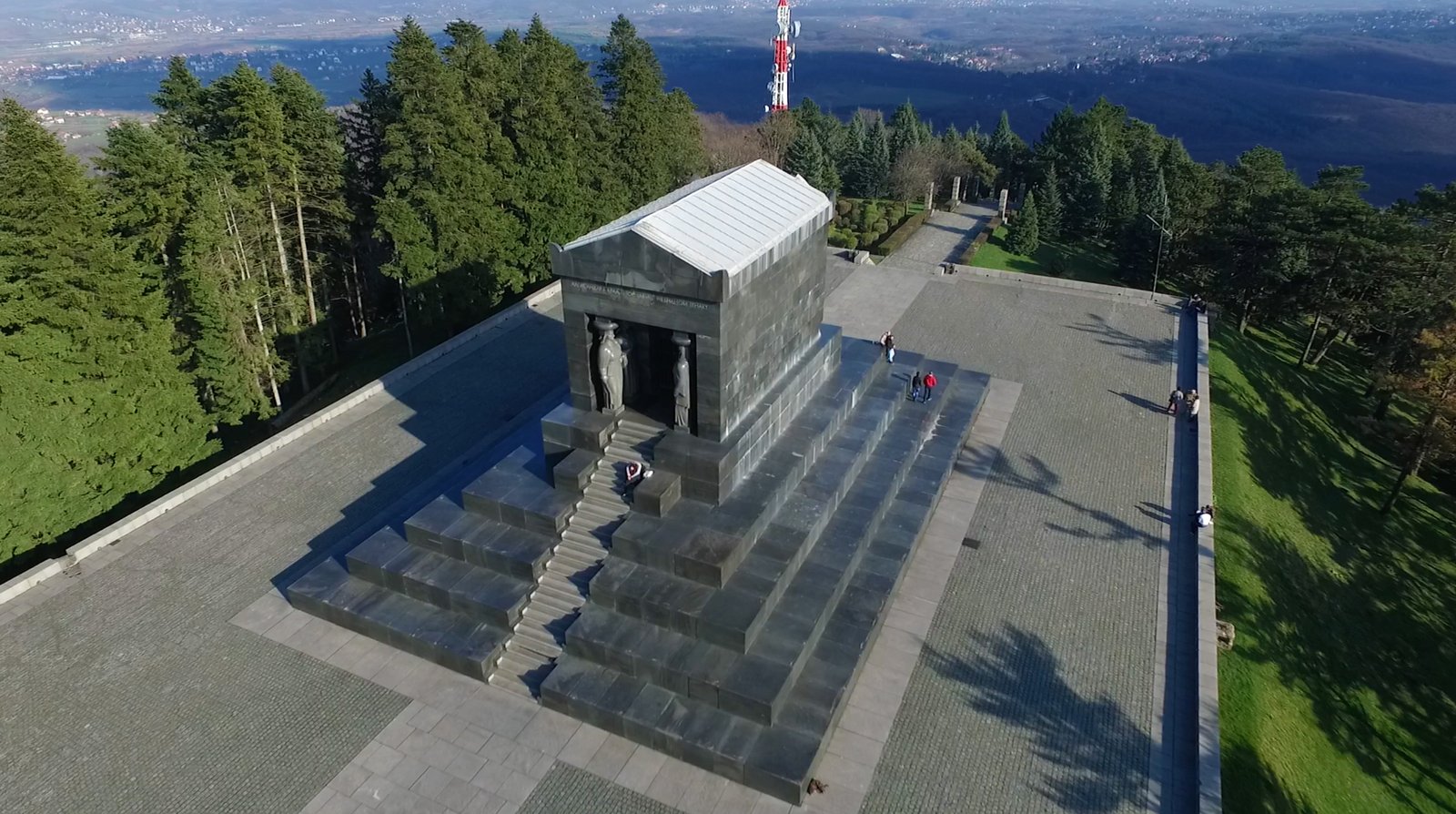
Avala rises just south of Belgrade and is one of the capital’s favourite escapes into nature. Forests, walking paths, picnic areas and panoramic viewpoints make
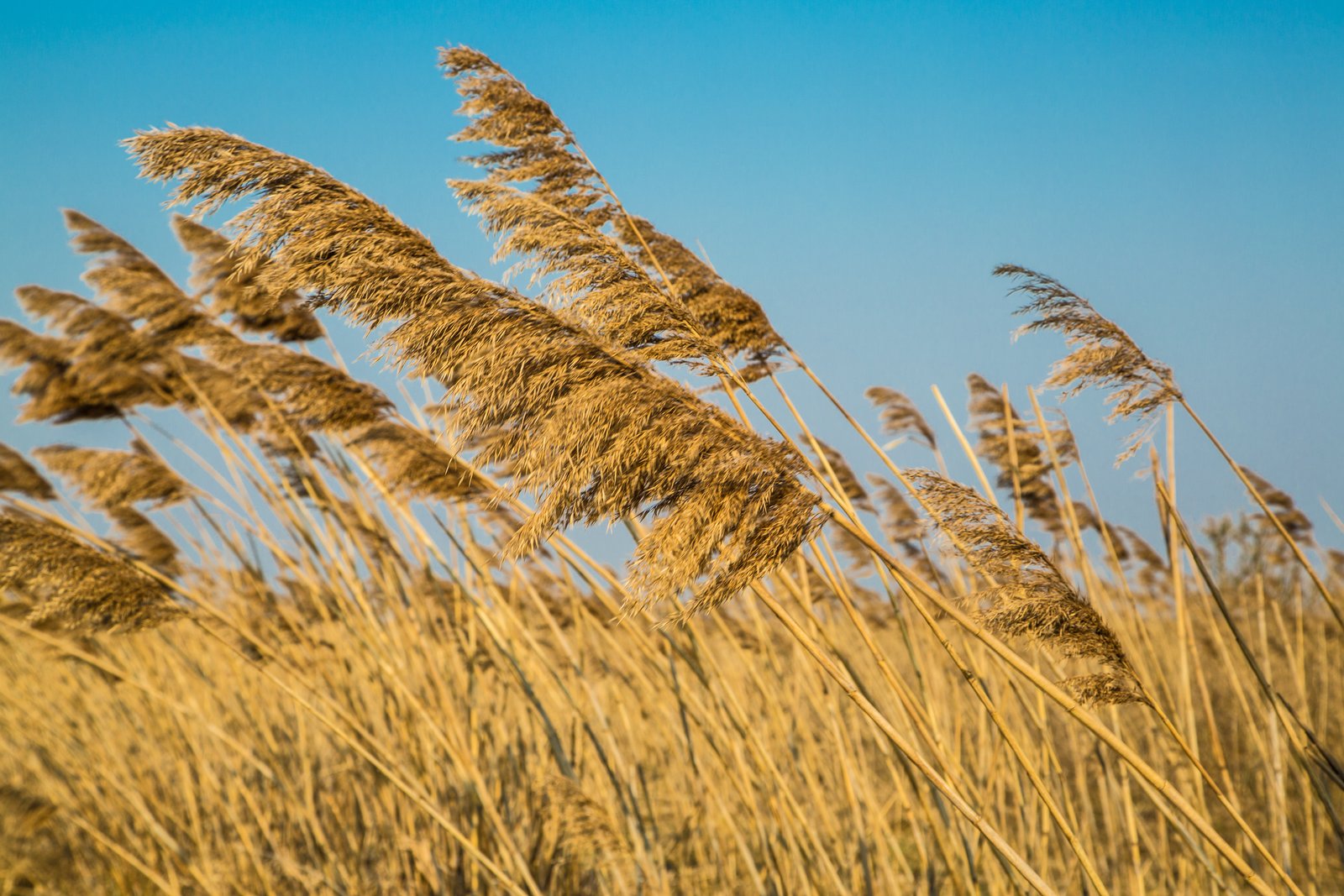
Deliblato Sands is one of Serbia’s most unusual natural landscapes. Located in southeastern Vojvodina, between the Danube and the foothills of the Carpathians, this vast
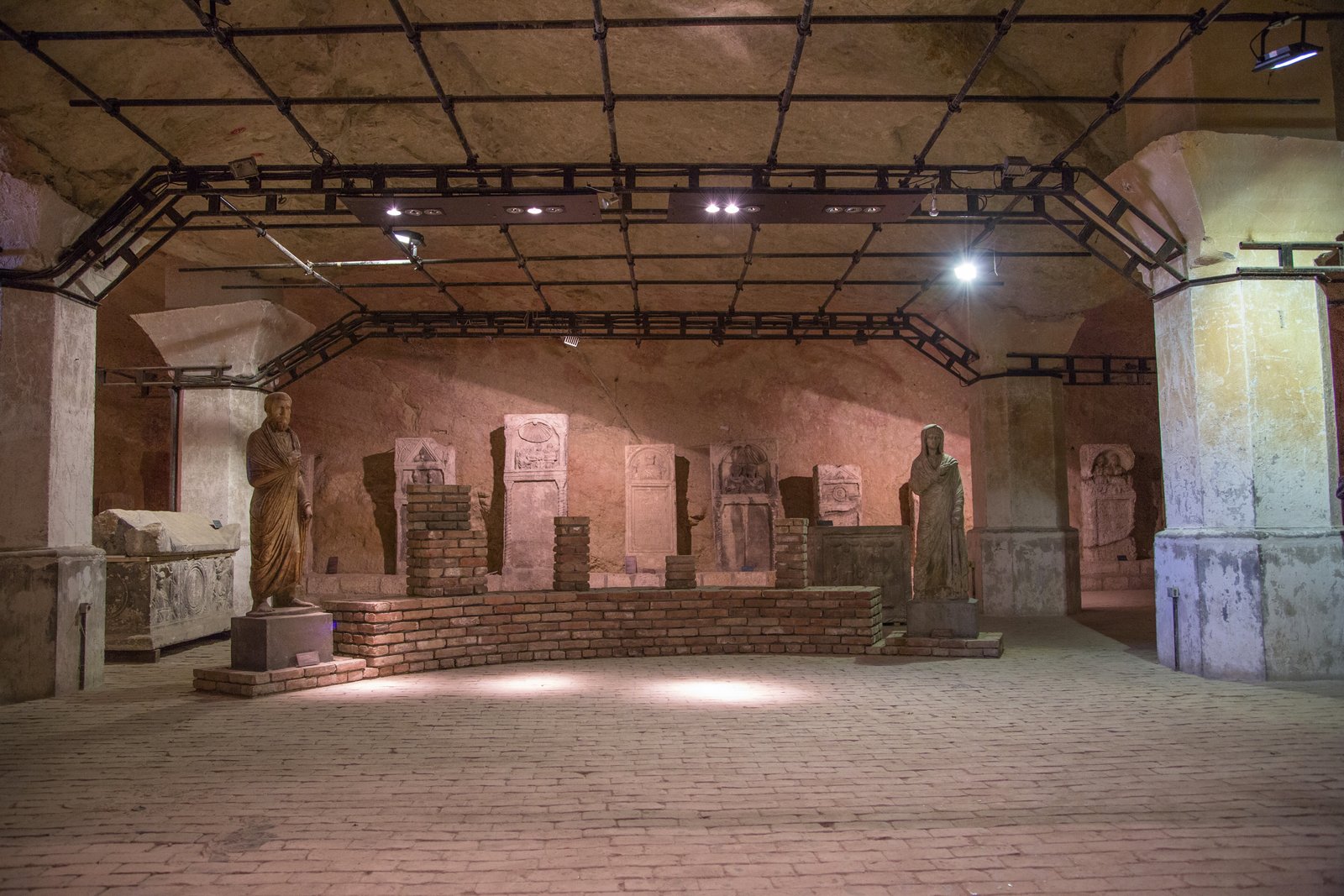
Deep within the Lower Town of Belgrade Fortress stands the Great Gunpowder Magazine, often referred to as Barutana. Built during the eighteenth-century reconstruction of the
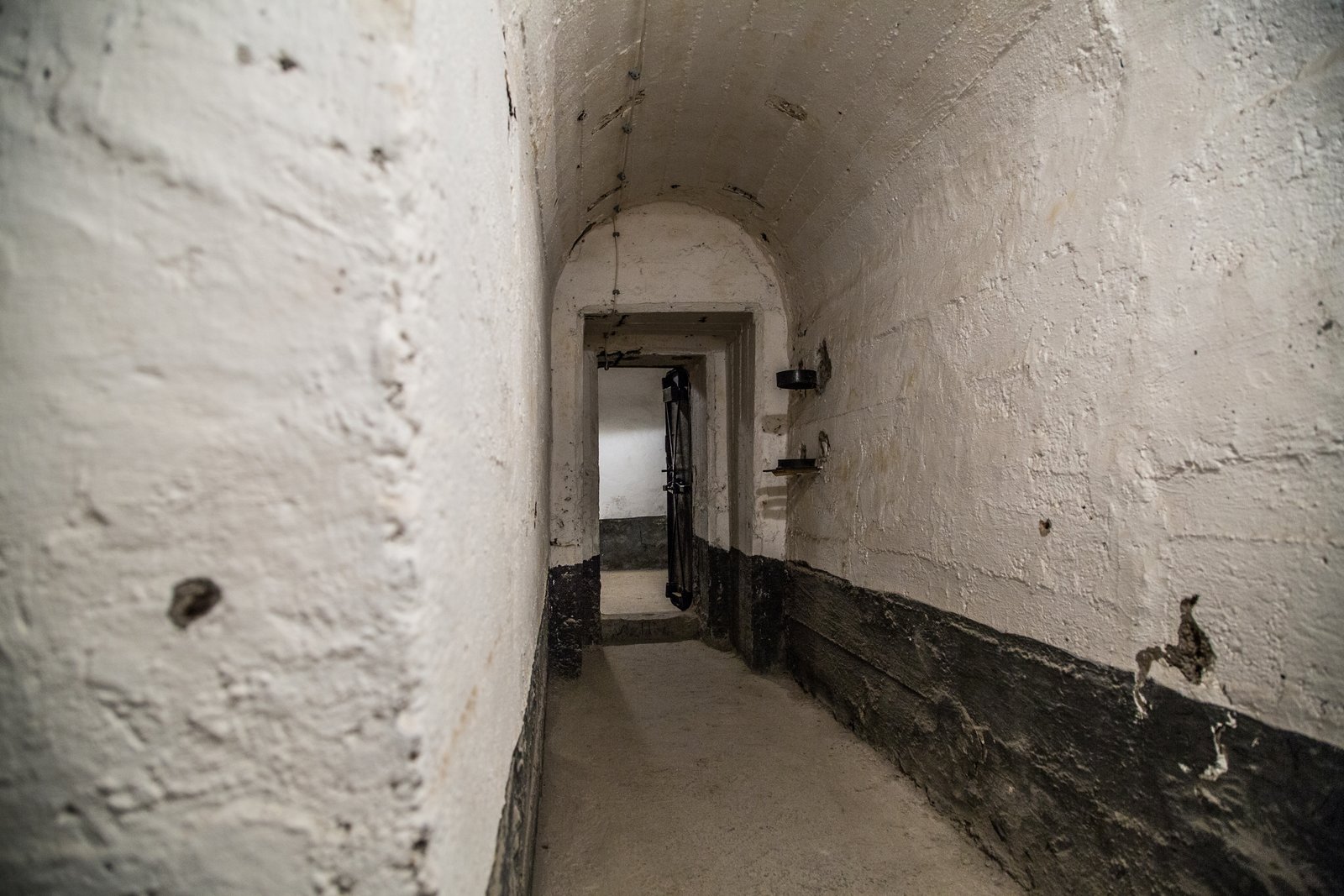
Hidden in the Upper Town of Belgrade Fortress, close to the Victor Monument, the Military Bunker is a reminder of a much more recent chapter
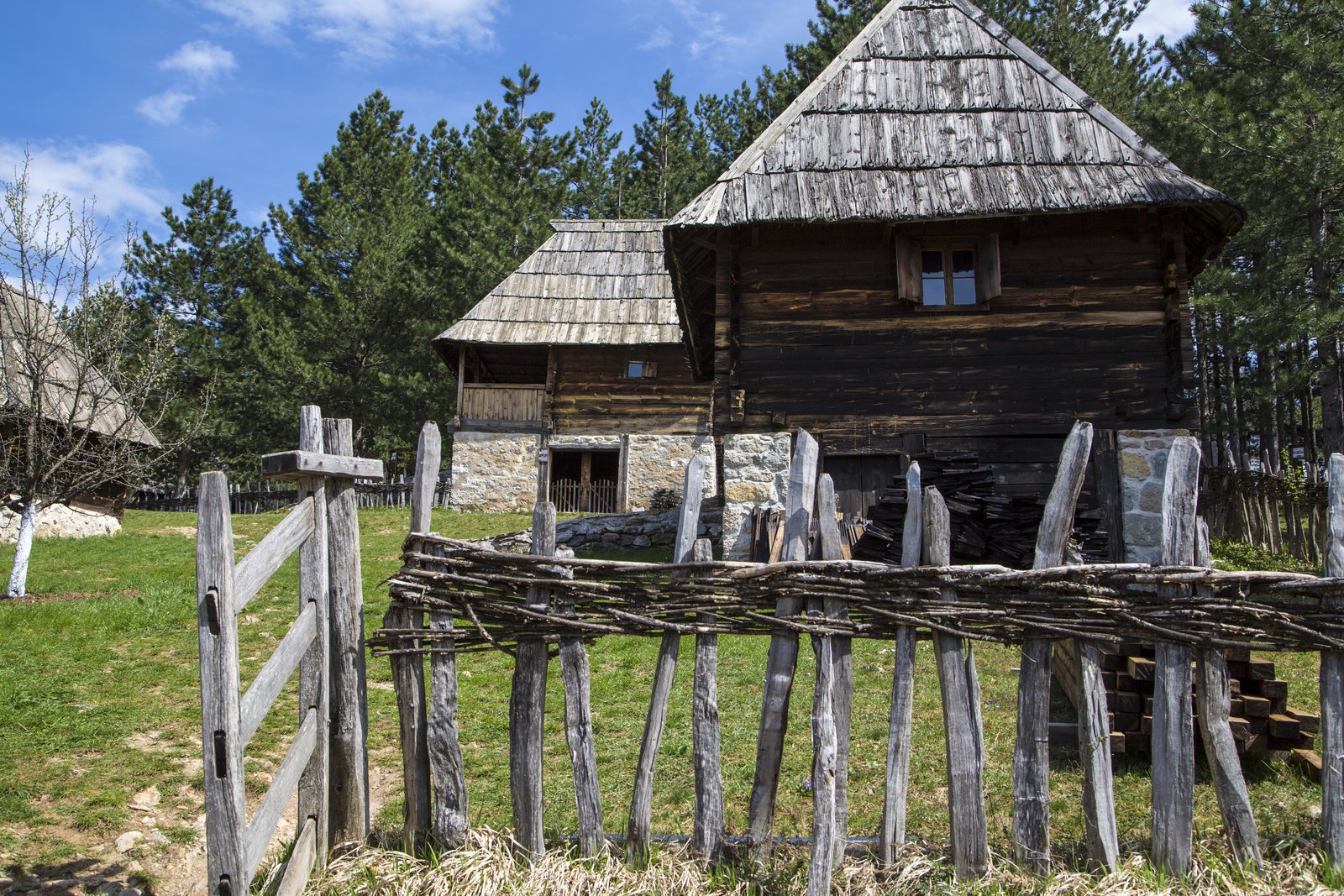
Serbian culture developed at a meeting point between East and West. Over many centuries, Byzantine, Ottoman, Central European and South Slavic influences interacted with local
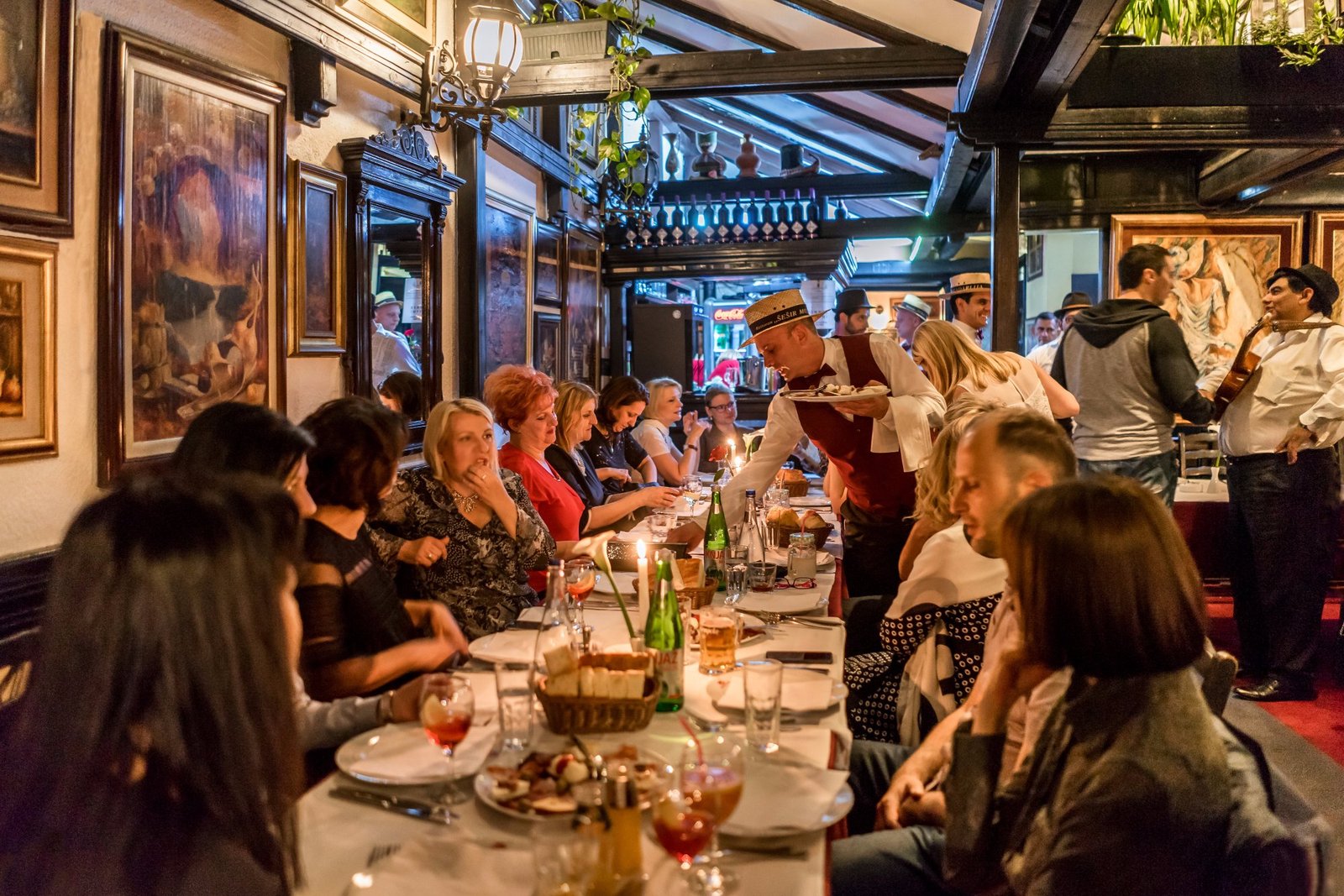
Food is an essential part of travelling through Serbia. Serbian cuisine reflects the country’s position at the crossroads of the Balkans and Central Europe, combining
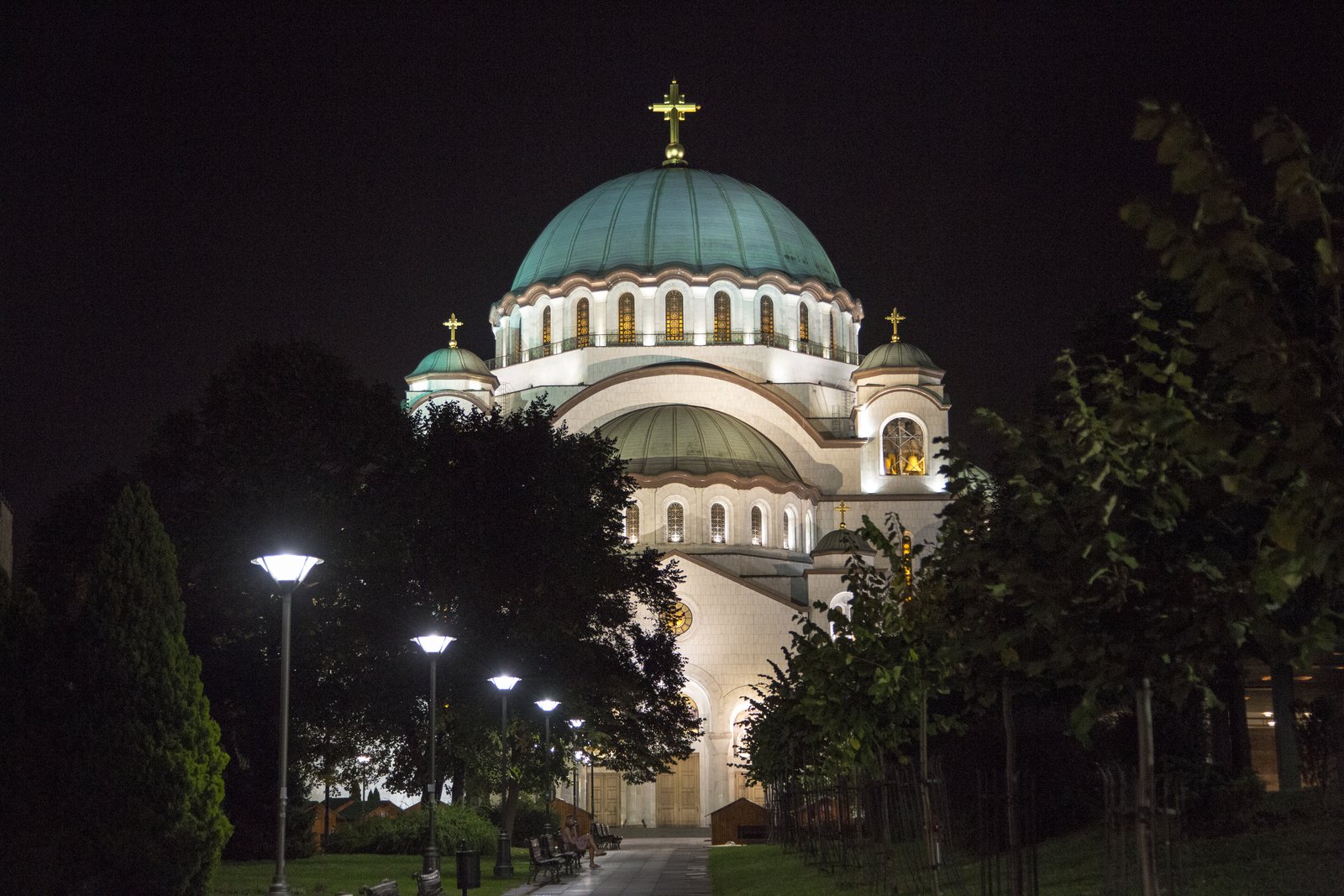
Serbia’s cities combine layers of history, distinctive architecture, lively public spaces and a relaxed social rhythm. From the meeting point of the Sava and Danube