Serbian culture developed at a meeting point between East and West. Over many centuries, Byzantine, Ottoman, Central European and South Slavic influences interacted with local traditions to create a distinctive cultural heritage visible in architecture, literature, music, religious art and everyday customs.
Medieval Heritage
Medieval monasteries are among Serbia’s most important cultural treasures. Sites such as Studenica and Sopoćani preserve remarkable architecture and fresco painting, while the wider monastic tradition played a major role in education, literacy and the preservation of Serbian cultural identity.
Saint Sava, the first archbishop of the autocephalous Serbian Orthodox Church, remains one of the central figures of Serbian medieval culture and education. His legacy influenced religious, educational and cultural life for centuries.
Museums and Galleries
Belgrade is home to major cultural institutions including the National Museum of Serbia, the Ethnographic Museum and the Residence of Princess Ljubica. Novi Sad has its own strong museum and gallery scene, complemented by Petrovaradin Fortress and the cultural heritage of Vojvodina.
Architecture, Literature and Art
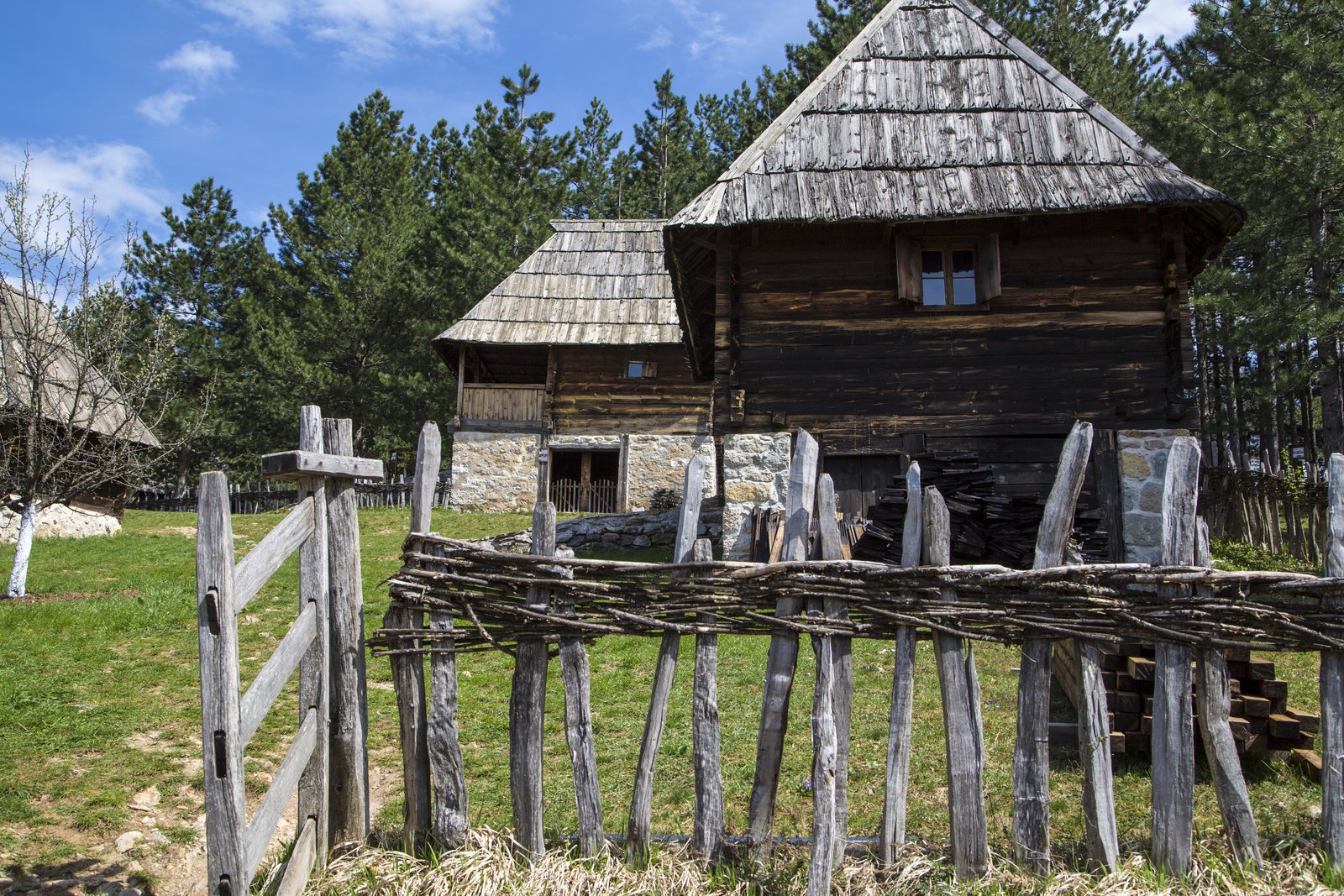
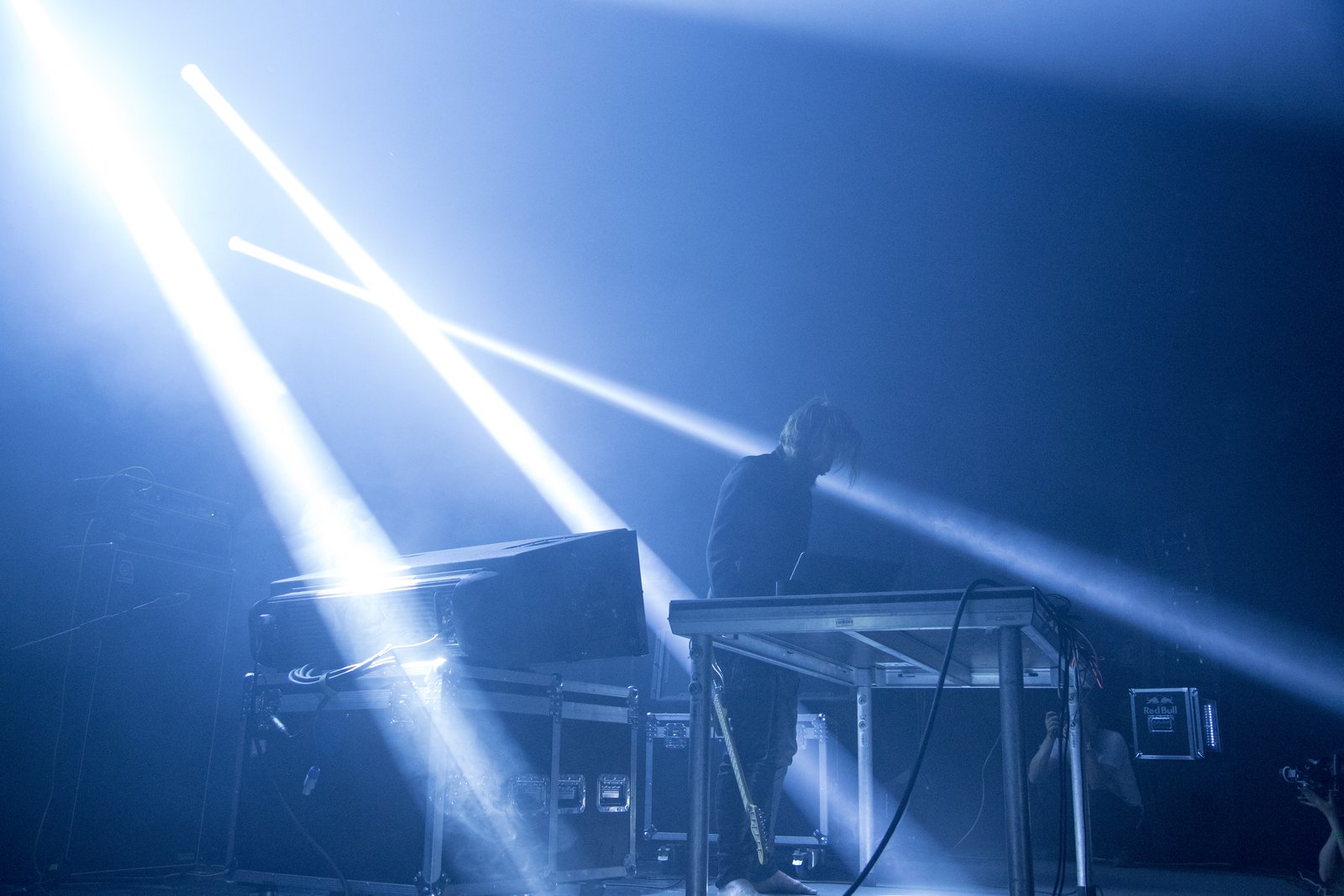
Serbia’s built heritage ranges from medieval monasteries and Ottoman-era remains to Austro-Hungarian town centres, nineteenth-century civic architecture and modernist buildings. Literature and visual arts developed alongside these changing historical influences, while contemporary galleries, festivals and cultural centres continue to connect tradition with modern creative expression.
A Living Culture
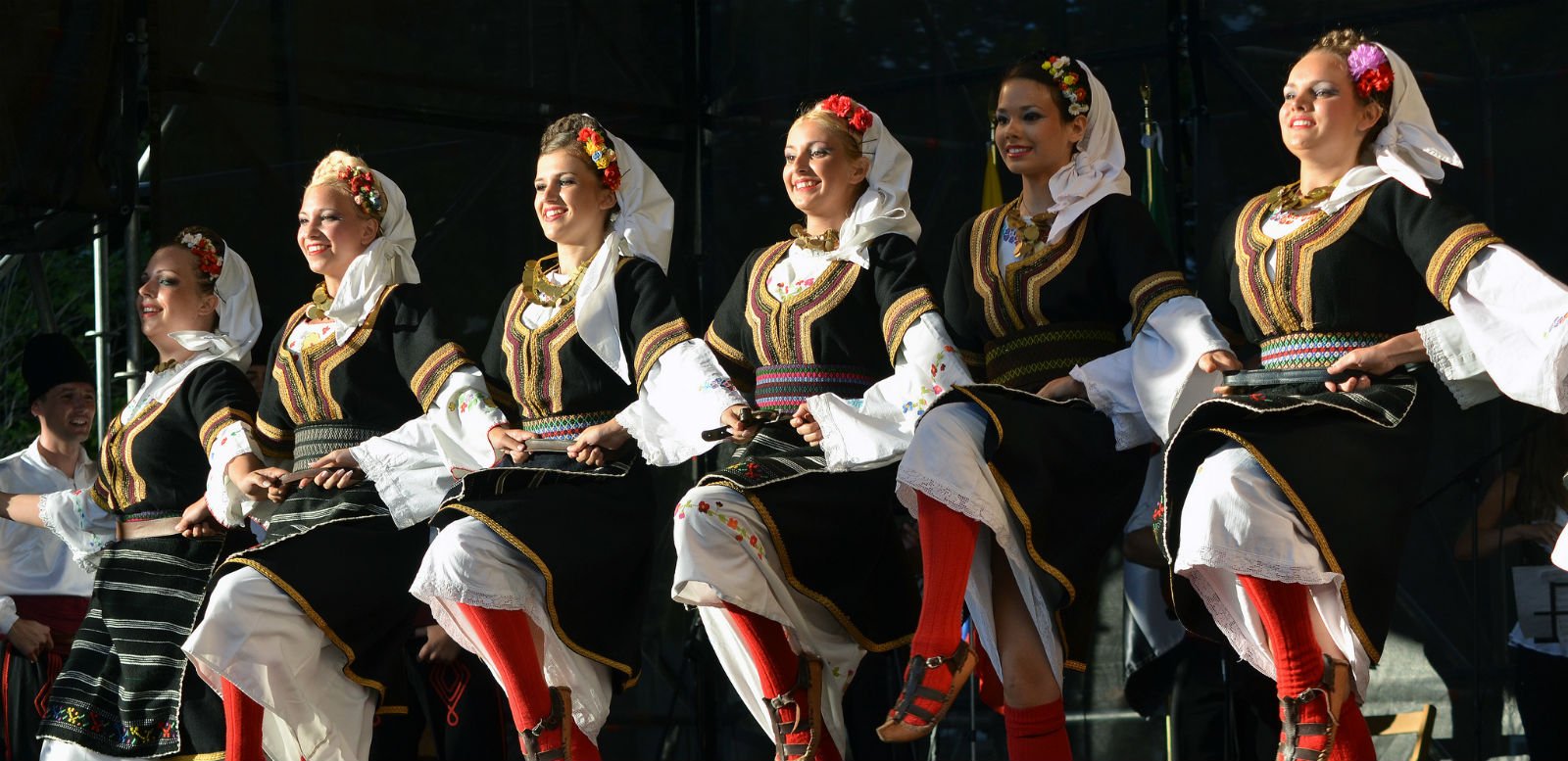
Culture in Serbia is not limited to museums. Traditional music, crafts, religious celebrations, local festivals, food and hospitality remain part of everyday life. Exploring them alongside historical monuments provides a richer understanding of the country and its people.